
Authorized Trading Partners (ATP)
授权贸易伙伴


.webp)


%201.webp)



%201.webp)




序列化不是一刀切的。由于美国、欧盟、亚洲和中东的规定各不相同,公司必须应对复杂的要求网络。您为全球合规做好准备了吗?
.avif)
如果你热衷于有所作为并在协作环境中茁壮成长,LspEdia 就是你的不二之选。

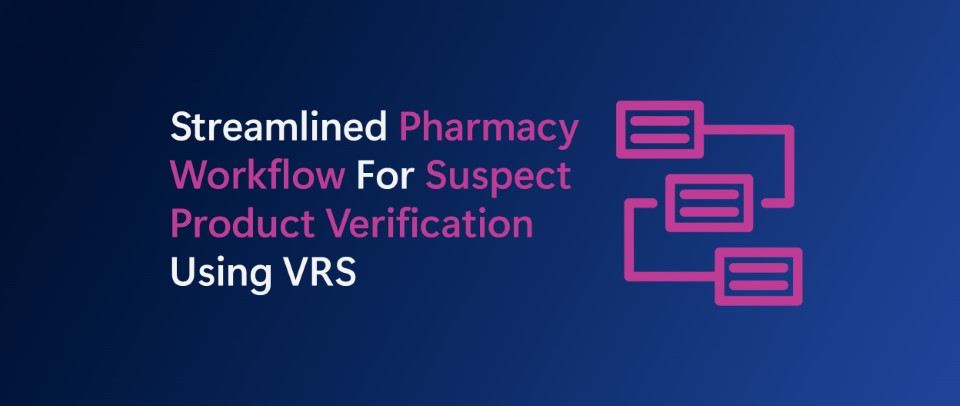
As Drug Supply Chain Security Act (DSCSA) requirements continue to evolve, pharmacies are expected to maintain processes for identifying, investigating, and resolving suspect or illegitimate products in accordance with regulatory expectations. One of the most persistent operational challenges within this framework is product verification—particularly the ability to confirm serialized product information in a timely and reliable manner when a product’s authenticity is in question.
Effective product verification depends on clear workflows, reliable system integration, and the ability to exchange verification data electronically with manufacturers. In response to these needs, the industry established the Verification Router Service (VRS). VRS supports these activities and plays an essential role for pharmacies seeking to maintain compliance and operational consistency under DSCSA.
The Verification Router Service (VRS) is a standards-based, interoperable framework that routes product verification requests between authorized trading partners. When a pharmacy needs to verify a product due to damage, investigation, or other suspect conditions, VRS directs the request to the appropriate manufacturer and facilitates a secure electronic response—typically within a short timeframe.
VRS supports verification of serialized product identifiers, including:
It helps trading partners meet DSCSA requirements for suspect product handling through a more standardized and auditable process than manual communication methods.
LSPedia played an integral role in the formation and advancement of the VRS network and continues to provide leadership in exception management and verification. This leadership is reflected in solutions such as our category-leading Investigator platform, which empowers trading partners with compliant tools to manage verification requests and resolve exceptions with confidence, accuracy, and speed.
Without VRS-enabled verification, pharmacies are often forced to rely on manual workflows to determine whether a product is legitimate. These approaches can introduce several operational challenges, including:
Manual verification typically requires pharmacy staff to identify the manufacturer, locate appropriate contact information, and submit verification requests through non-standard channels such as email or phone. Follow-up is often required to confirm receipt or clarify incomplete responses. This process is time-consuming, difficult to track, and impractical as verification volume grows—particularly for high-volume pharmacies or health systems managing multiple locations.
DSCSA requires pharmacies to verify suspect products within required timeframes and maintain records of verification activities. Gaps between internal pharmacy systems, wholesalers, manufacturers, and verification services can limit the effectiveness of this process.
When verification workflows are not fully integrated, pharmacies may struggle to demonstrate compliance, even if verification efforts are underway. Inconsistent data capture and fragmented records can complicate internal reviews and slow responses to regulatory inquiries.
When VRS integration issues are addressed, pharmacies can support a more streamlined, automated verification process that aligns with DSCSA expectations.
A typical optimized workflow includes several steps.
This approach reduces manual intervention, shortens verification timelines, and allows pharmacy staff to spend less time on administrative follow-up. It also creates a consistent verification experience across locations, supporting enterprise-wide compliance and reporting.
Instant product verification through VRS may provide operational benefits, including:
As verification volumes increase across the industry, these efficiencies become more important to maintaining sustainable pharmacy operations. Automated workflows help pharmacies facilitate a higher volume of queries without proportionally increasing staffing or administrative overhead.
Successful implementation of VRS-enabled verification requires thoughtful planning. Pharmacies should evaluate how verification workflows integrate with existing dispensing systems, inventory management tools, and exception-handling processes. Training staff on when and how to initiate verification requests is equally important to ensure consistent use.
Data quality also plays a critical role. Accurate capture of serialized product data at the point of scanning reduces verification failures and rework. Pharmacies may need to assess scanning hardware, receiving processes, and internal procedures to support reliable data capture.
As DSCSA enforcement expectations continue to evolve, automated verification is widely viewed as an important component of compliance strategies and a key attribute of a resilient pharmaceutical supply chain. Pharmacies that address verification challenges systematically and early are better positioned to meet regulatory requirements while minimizing operational strain.
Verification Router Services make instant product verification possible at scale. LSPedia’s Pharmacy Pro, Silver, and Gold solutions connect pharmacies to VRS and support real-time verification with standardized responses and compliant recordkeeping.
Instant product verification via VRS plays a meaningful role in how pharmacies manage suspect products under DSCSA. Moving from manual processes to integrated, automated workflows can improve operational efficiency, reduce compliance risk, and strengthen confidence in product integrity. Pharmacies that invest in scalable, standards-based verification approaches are better positioned to adapt to future requirements without unnecessary disruption.


.png)

